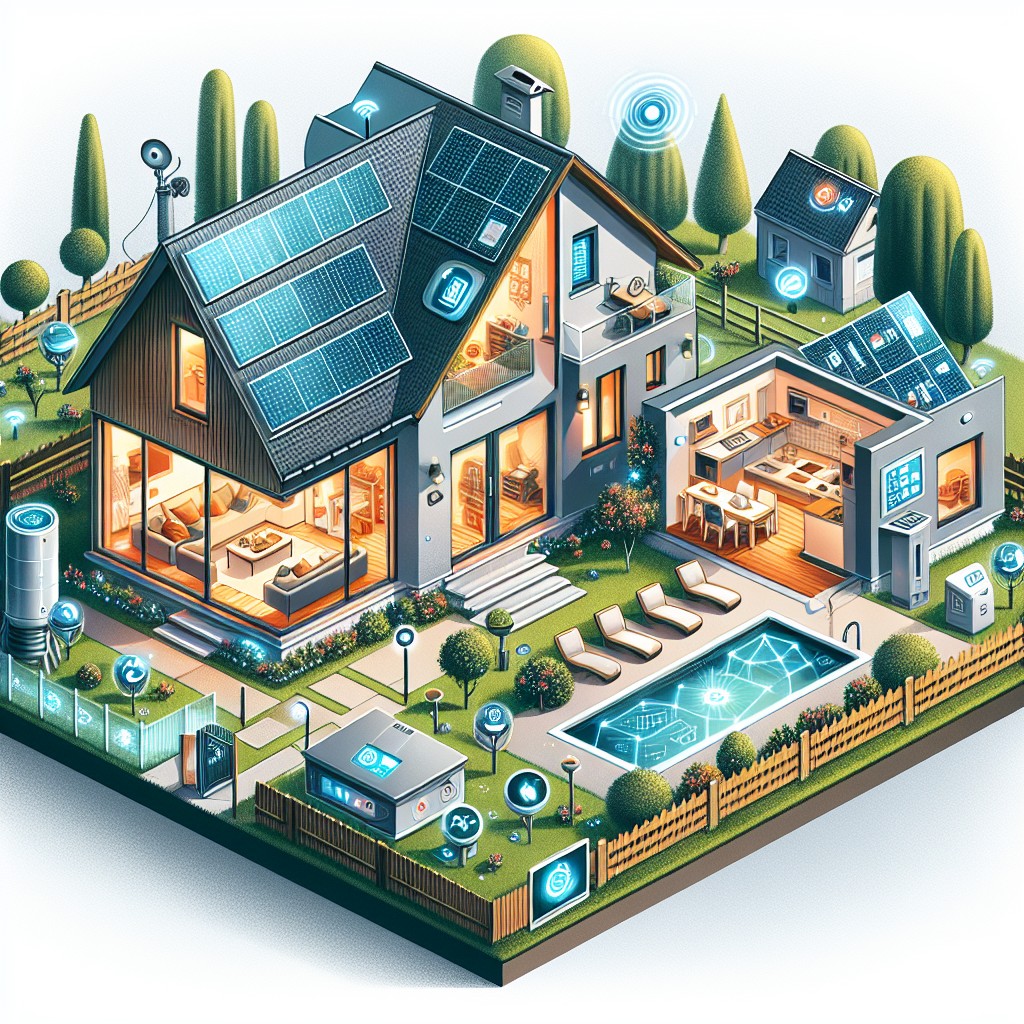
The rise of smart homes is reshaping how residents in Romania interact with their living spaces. As more homeowners and renters seek to optimize comfort and security, it is crucial to identify which technology upgrades offer real value and which may not justify the investment.
The Growing Popularity of Smart Homes in Romania
Romania has witnessed a steady increase in interest towards smart home technology, driven by advances in connectivity, affordability, and consumer demand for enhanced energy efficiency and security. Increased internet penetration and wider availability of IoT devices have contributed to popularizing smart homes among urban and suburban households. Romanian consumers are particularly focused on technologies that provide convenience, safety, and utility management.
Upgrades Worth Paying For
Among the most beneficial smart home upgrades are intelligent heating, ventilation, and air conditioning (HVAC) systems. These allow homeowners to control temperature settings remotely, resulting in reduced energy consumption and costs. Security systems incorporating smart cameras and alarm systems integrated with mobile apps provide real-time alerts and remote monitoring, enhancing household safety effectively. Additionally, smart lighting solutions that adjust brightness based on occupancy or natural light can also contribute to significant energy savings and increased comfort.
When to Consider Skipping Certain Upgrades
While many smart home technologies offer practical benefits, some upgrades may not be cost-effective or necessary in the Romanian context. For instance, investing heavily in smart kitchen appliances may provide convenience but often involves high initial costs, with minimal impact on energy savings. Similarly, voice-activated assistants and numerous smart speakers can contribute to convenience but may not be essential for all households and could raise privacy concerns. It is also advisable to avoid upgrades that rely on unstable or slow internet connections, as these would undermine the reliability of the smart home system.
Integration and Compatibility Challenges
One obstacle for Romanian consumers is ensuring that the smart devices they choose are compatible and can be integrated seamlessly. Fragmented ecosystems and diverse standards among manufacturers can make it challenging to build a unified smart home system. Professional consultation and choosing devices supported by recognized international standards can minimize frustration and extra expenses. Homeowners should also consider the availability of local support services to manage installations and maintenance effectively.
The Future of Smart Homes in Romanian Residential Markets
As technology continues to advance, smart homes are expected to become increasingly sophisticated and affordable in Romania. Market trends predict wider adoption of connected devices and improved integration capabilities, leading to smarter, more energy-efficient, and safer living environments. However, consumers should approach upgrades with an informed perspective, focusing on practical benefits and long-term value rather than on trends or gimmicks. By prioritizing key smart home technologies and avoiding less beneficial options, Romanian households can optimize their investment in home automation.
Overall, the balance between cost, utility, and technological maturity will guide future developments in smart homes throughout Romania.
Frequently Asked Questions about smart homes
What defines smart homes and how are they implemented in Romania?
Smart homes utilize connected devices to automate and control household functions such as climate, lighting, and security. In Romania, implementation is growing due to wider internet access and increased availability of IoT devices tailored to these functions.
Which smart home upgrades provide the best return on investment in Romania?
Upgrades such as smart HVAC systems, security cameras with remote monitoring, and energy-efficient lighting offer practical benefits and often lead to cost savings, making them worthwhile investments in Romanian residences.
Are there smart home technologies in Romania that consumers should avoid?
Investments in less essential technologies like multiple voice-activated assistants or high-end smart kitchen appliances may not provide significant value for all Romanian consumers and can be skipped based on individual needs and budget.
How important is compatibility when upgrading to smart homes?
Compatibility is crucial to ensure that devices communicate effectively and the system operates without issues. Romanian users should prioritize products adhering to international standards and seek local professional assistance when necessary.
What can Romanian homeowners expect from the future of smart homes?
Romanian smart homes are expected to become more integrated, accessible, and energy-efficient as technology evolves, provided consumers focus on practical and sustainable upgrades that enhance their daily living.